





Structural Adhesives

Structural adhesives offer high strength, peel resistance, impact resistance and a simple application process.

Overview

Structural adhesives feature excellent heat resistance, resistance to media, atmospheric aging and vibration fatigue, low creep and high lasting strength. Most are based on a thermosetting resin with a three-dimensional cross-linked structure, combined with thermoplastic resin or rubber-based toughening agents. They are mainly used in machinery manufacturing and in modern industrial technology sectors such as the manufacture of high-speed vehicles (aircraft, rockets and missiles). Typical types include epoxy-nylon, epoxy-nitrile, epoxy (aromatic amine cured), phenolic-nitrile, phenolic-epoxy, polyimide and polybenzimidazole.

  • Fast curing
    Fast curing
  • High heat resistance
    High heat resistance
  • Good toughness
    Good toughness
  • Low odor
    Low odor
  • Easy to apply
    Easy to apply
  • Impact resistance
    Impact resistance

Products

8962/8962G Two-Component Polyurethane Structural Adhesive

8962/8962G Two-Component Polyurethane Structural Adhesive

Specially designed for self-bonding or mutual bonding of metal, wood, PU panels, foam insulation, ceramics, cement, glass, FRP and other materials


Substrates: Metal, wood, PU panels, foam insulation, ceramics, cement, glass, FRP, etc.

1812 Structural Bonding Epoxy Adhesive

1812 Structural Bonding Epoxy Adhesive

Two-component, mixing weight ratio 2:1, low viscosity, brushable, suitable for aluminum honeycomb panels in rail transit


Features: High strength, high toughness

1626 (EX-592) General-Purpose Epoxy Adhesive

1626 (EX-592) General-Purpose Epoxy Adhesive

Fast curing, moderate viscosity, easy to apply, good bond strength on metals, impact resistant and excellent performance; used for structural bonding between metals and rigid materials


Color: Pale yellow transparent

1625 (EX-425) General-Purpose Epoxy Adhesive

1625 (EX-425) General-Purpose Epoxy Adhesive

Moderate viscosity, easy to apply, good bond strength on metals and excellent impact resistance; used for structural bonding between metals and rigid materials


Color: Pale yellow transparent

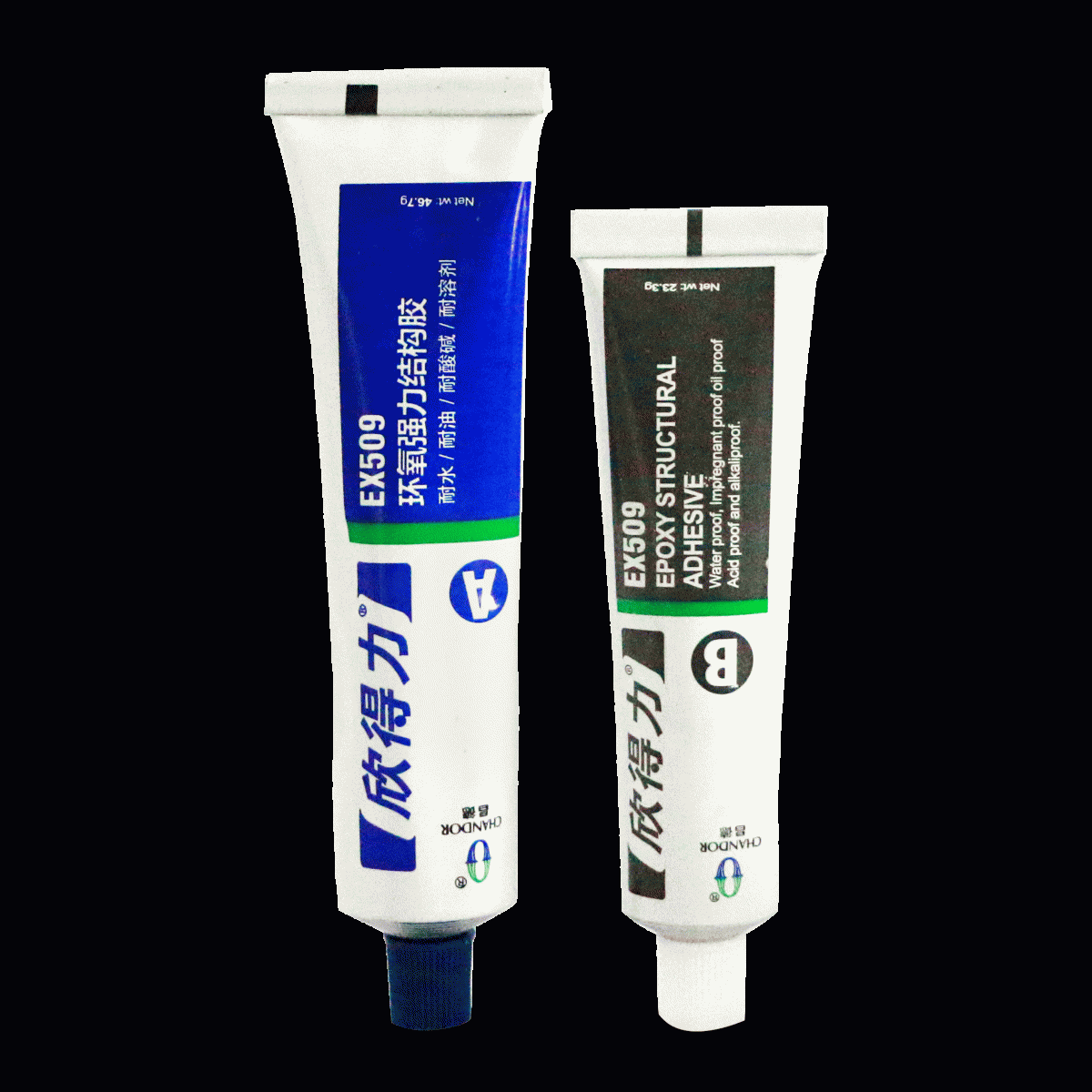
1619 (EX-509) High-Strength Epoxy AB Adhesive

1619 (EX-509) High-Strength Epoxy AB Adhesive

Moderate viscosity, easy to apply, good bond strength on metals and excellent impact resistance; used for bonding and repair of metals, glass, ceramics, stone, jade, ivory, rubber, musical instrument components, crafts, plastics and many other substrates


Color: Translucent

1600 (EX-3800) General-Purpose Epoxy Adhesive

1600 (EX-3800) General-Purpose Epoxy Adhesive

Fast curing at room temperature in 5 min, moderate viscosity, easy to apply, good bond strength on metals and excellent impact resistance; used for bonding electronic devices, glass, rubber, wood, etc.


Substrates: Electronic devices, glass, rubber, wood

1602 (EX-590) General-Purpose Epoxy Adhesive

1602 (EX-590) General-Purpose Epoxy Adhesive

Cures at room temperature within 90 min, moderate viscosity, easy to apply, good bond strength on metals and excellent impact resistance; used for bonding electronic devices, glass, rubber, wood, etc.


Color: Transparent

8958 Two-Component Polyurethane Thermally Conductive Structural Adhesive

8958 Two-Component Polyurethane Thermally Conductive Structural Adhesive

Suitable for thermally conductive structural bonding of power battery cells and liquid cooling plates, with good impact resistance and aging resistance. Contains no free TDI; safe, environmentally friendly, flame retardant rating V0


Application: Power battery cells and liquid cooling plates

8969 Fast-Curing Two-Component Polyurethane Adhesive

8969 Fast-Curing Two-Component Polyurethane Adhesive

Suitable for structural bonding of automotive exterior parts such as spoilers, tailgates, truck roof fairings and lower door trim panels. Excellent adhesion to unpolished composites; can replace two-component acrylate adhesives that have a strong odor and are not environmentally friendly


Application: Spoilers, tailgates, truck roof fairings, lower door trim panels, etc.

Having trouble choosing a product?

Try contacting us

Advantages of Structural Adhesives

Advantages of Structural Adhesives
  • 1
    Structural adhesives offer high strength, peel resistance, impact resistance and a simple application process.
  • 2
    Adhesive bonding eliminates the holes, cracks and local weak points caused by conventional joining methods, making the structure more complete and improving its airtightness and waterproof performance.
  • 3
    Structural bonding reduces structural weight because it eliminates additional fastening hardware.

Product Features

High strength, peel resistance, impact resistance and a simple application process

The main feature of structural bonding products is their high-strength bonding performance, which enables a tight bond between the materials being joined so that the bonded area achieves mechanical properties similar to or higher than those of the adherends.

01

High workability

Viscosity can be adjusted according to actual needs to suit different application conditions and processes, making it highly practical for bonding precision components and complex shapes.

02

Functional versatility

Depending on the application requirements, different fillers can be added to structural adhesives to enhance conductivity, thermal conductivity, flame retardancy, high-temperature resistance, low-temperature resistance, impact resistance, vibration resistance and sound insulation.

03

Uniform stress distribution

For components bonded with structural adhesives, the elasticity of the adhesive layer helps distribute stress more evenly at the joint, improving the fatigue resistance of the overall structure.

04

Related Cases

Structural Bonding in Elevators, Rail Transit and Magnetos

Structural Bonding in Elevators, Rail Transit and Magnetos

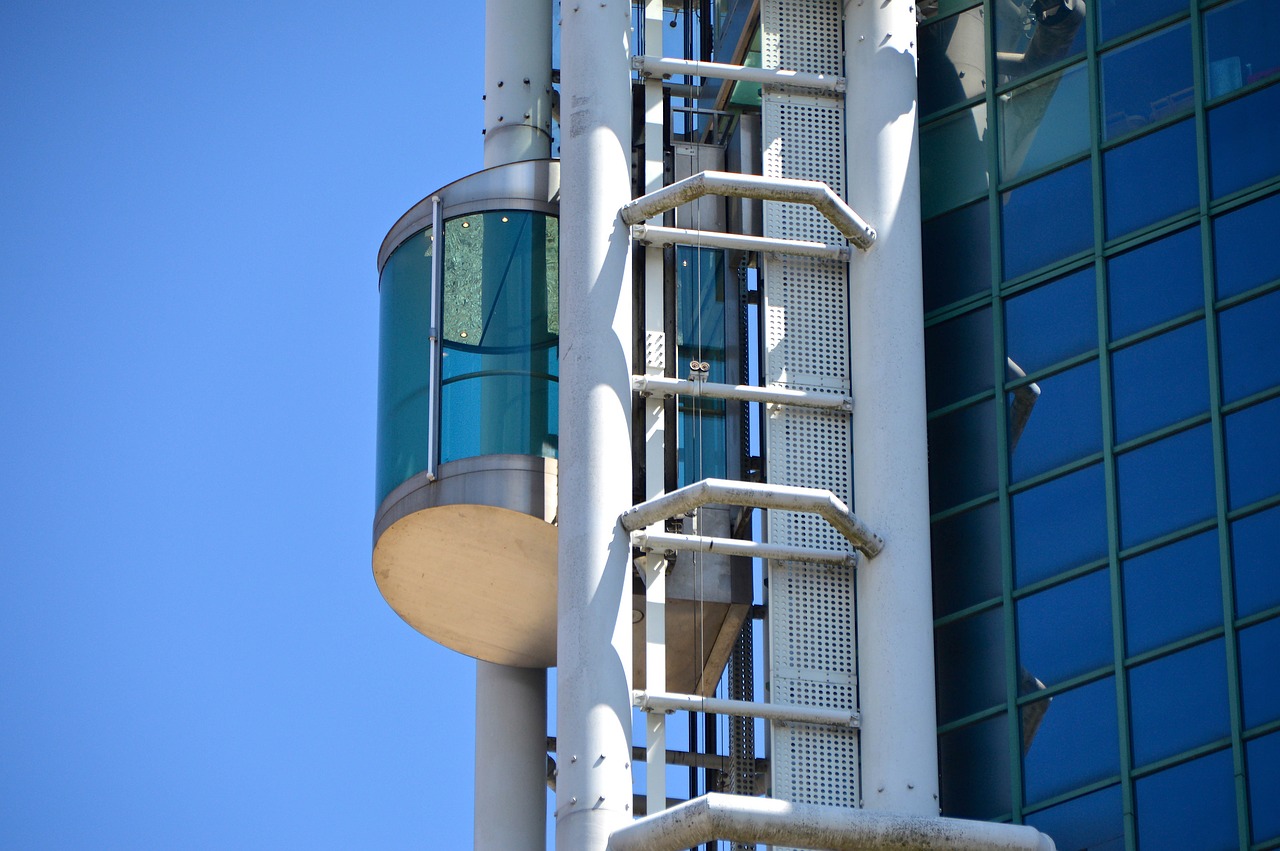
An old elevator in a high-rise building developed slight vibration and noise during operation. Preliminary diagnosis suggested that the connection between the traction machine bracket and the hoistway wall had loosened. To ensure elevator safety and passenger comfort, it was decided to structurally reinforce the traction machine bracket, replacing the original bolted connection with adhesive bonding technology

View Details
0.158136s