
Moisture and dust protection
Potting compounds form a protective shell that keeps moisture, dust and other contaminants away from sensitive electronic components, thereby extending the service life of electronic products.
01
Bonding, sealing, potting and coating protection for electronic components
Potting is the process of pouring a liquid polyurethane compound, either mechanically or manually, into a device containing electronic components and circuits, where it cures at room temperature or under heat to become a high-performance thermosetting polymer insulating material. The liquid polyurethane compound used in this process is the potting compound.




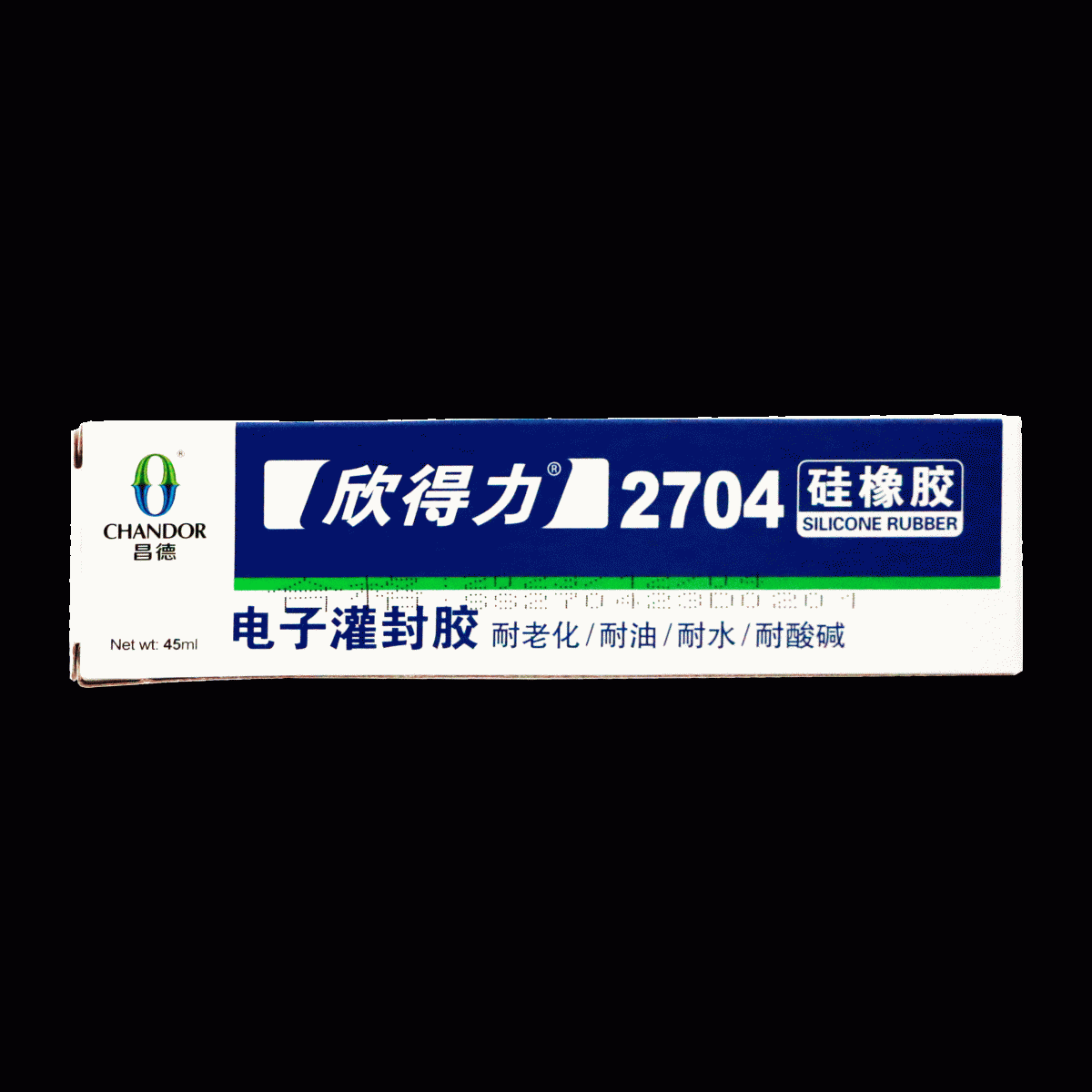
Two-component, room-temperature-curable epoxy adhesive, black, good flowability; easy to use and cures naturally at room temperature
Two-component, low viscosity, used for coating and potting of crafts; fast curing, room-temperature vulcanizing silicone potting compound
Low viscosity, slow curing, high gloss, with good weather resistance
Xindeli 2707 electronic potting compound is widely used for bonding and sealing of electronic components, instruments and meters, optical instruments, air conditioners, refrigerators, freezers and automotive parts, including leak-proof bonding
Try contacting us
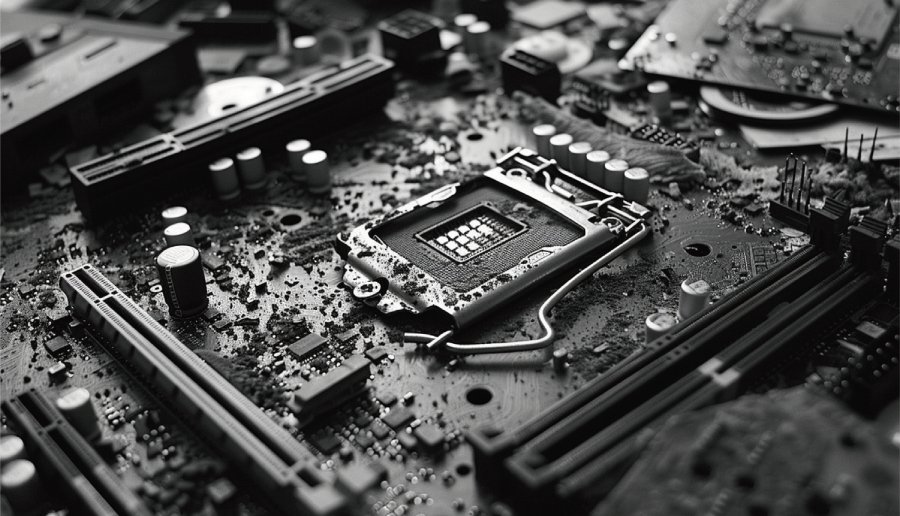
Potting compounds form a protective shell that keeps moisture, dust and other contaminants away from sensitive electronic components, thereby extending the service life of electronic products.
01They isolate the electrical connection between different conductive parts and prevent short circuits or leakage currents.
02They resist mechanical impact and vibration, protecting internal components from physical damage.
03Depending on the type of potting compound, some can maintain stable performance over a wide temperature range.
04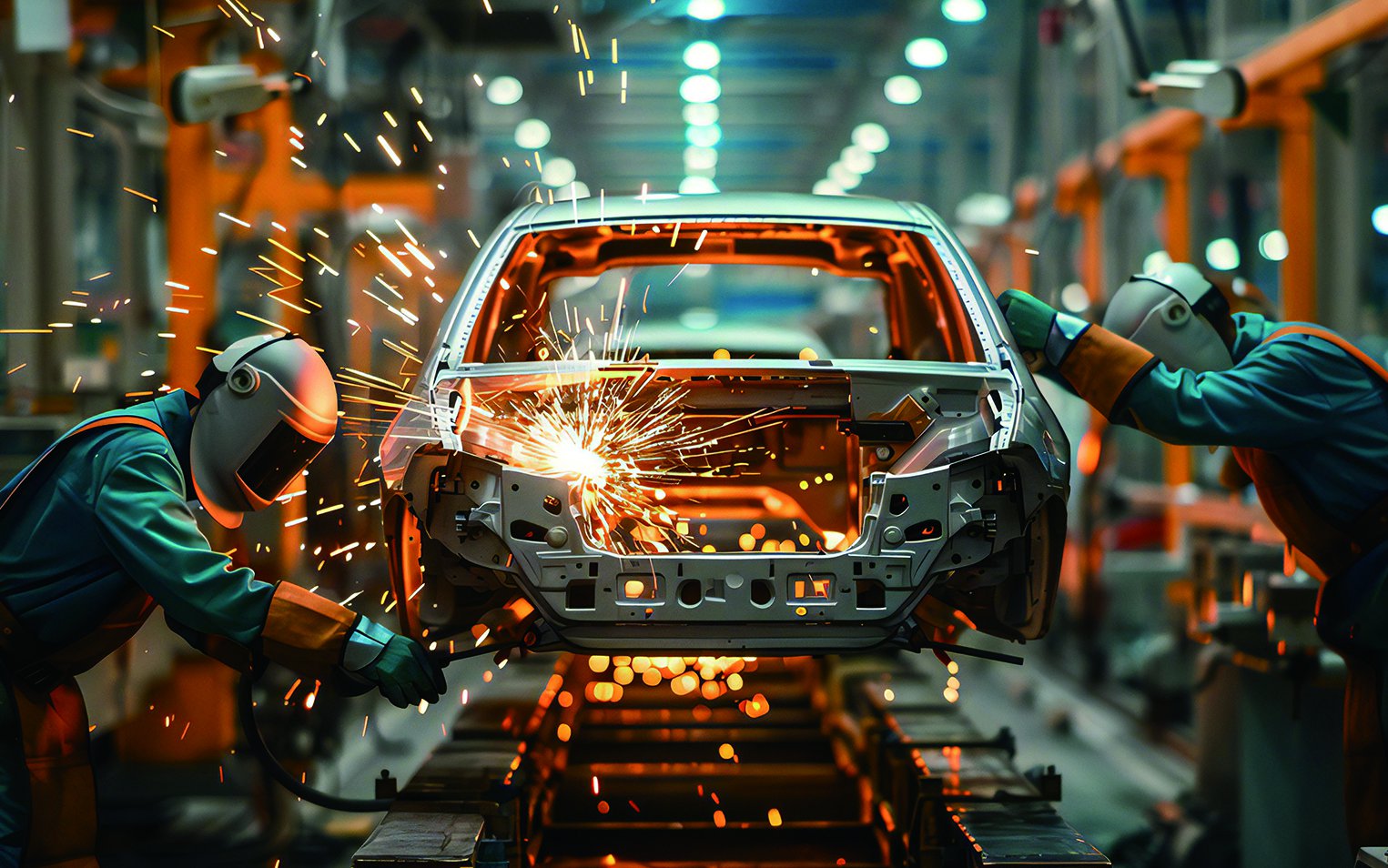
Adhesives are applied in the automotive industry in a comprehensive, multi-layered way, from basic structural joining to complex system integration.

Product quality, performance indicators and related application technologies in the adhesive industry directly affect the safety, economy and comfort of aircraft.

Providing bonding, sealing, anti-corrosion, vibration damping and gap filling for various structural and non-structural parts, ensuring the safety, stability and durability of vessels.
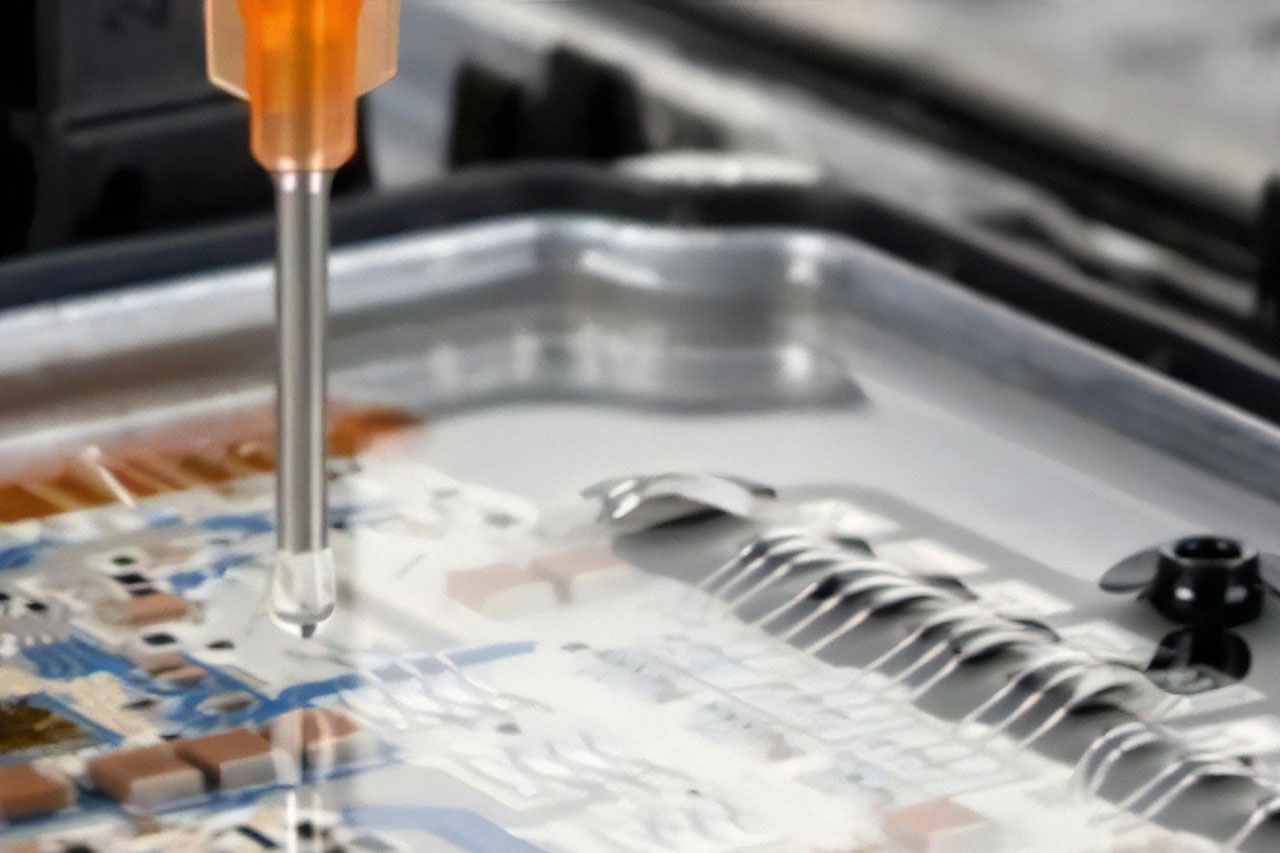
Specific potting materials are used to fully or partially encapsulate internal electronic components, chips, substrates and leads, forming a robust and sealed whole that provides protection, enhances heat dissipation, ensures electrical insulation and improves the mechanical stability and reliability of the overall module
View Details