

- Home
- About Changde
- Success Cases
Case Details
Structural Bonding in Elevators, Rail Transit and Magnetos
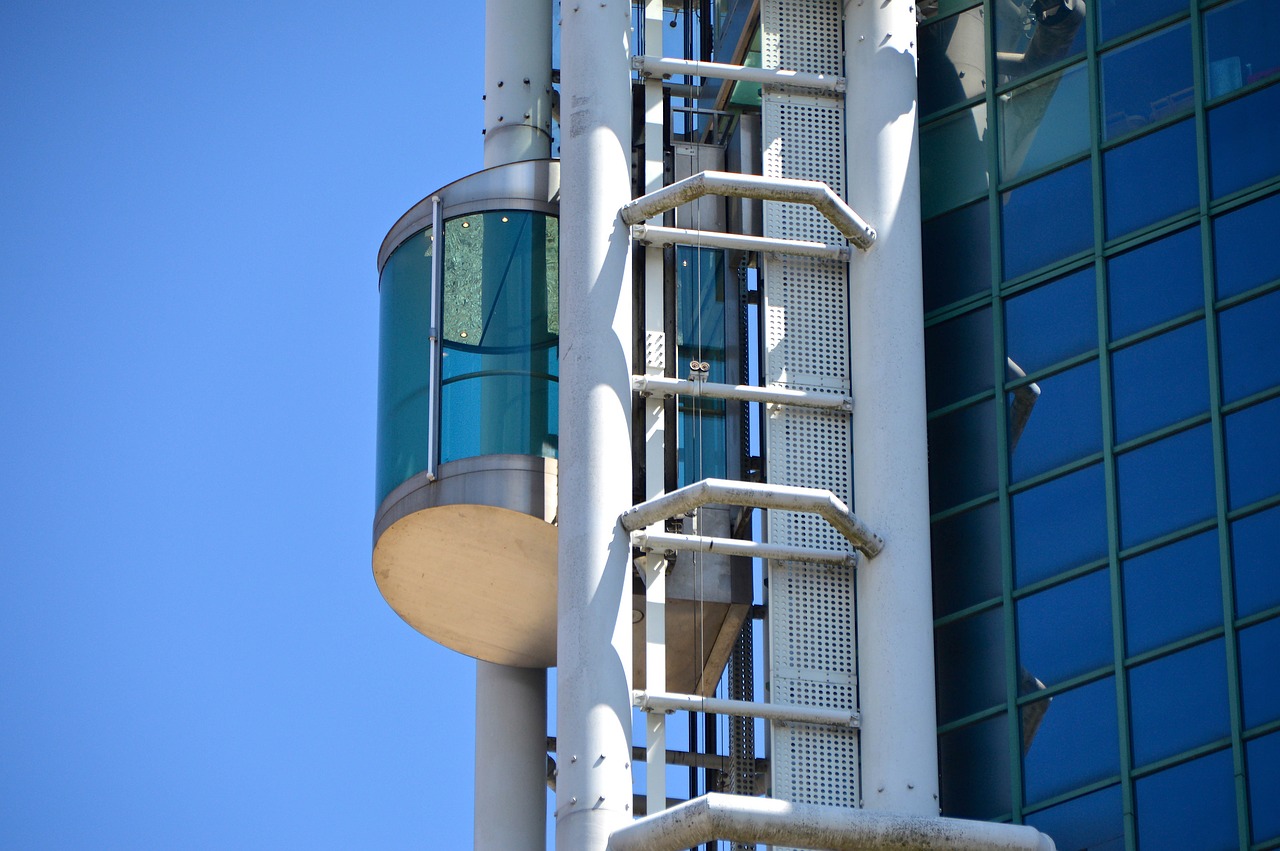
An old elevator in a high-rise building developed slight vibration and noise during operation. Preliminary diagnosis suggested that the connection between the traction machine bracket and the hoistway wall had loosened. To ensure elevator safety and passenger comfort, it was decided to structurally reinforce the traction machine bracket, replacing the original bolted connection with adhesive bonding technology
Details
An old elevator in a high-rise building developed slight vibration and noise during operation. Preliminary diagnosis suggested that the connection between the traction machine bracket and the hoistway wall had loosened. To ensure elevator safety and passenger comfort, it was decided to structurally reinforce the traction machine bracket, replacing the original bolted connection with adhesive bonding technology.
Adhesive selection: after evaluation, a high-performance epoxy structural adhesive was selected; it offers high bond strength, excellent fatigue resistance and good vibration resistance, and has obtained relevant industry certifications, meeting elevator application standards.
Bonding area: the contact surface between the traction machine bracket and the concrete hoistway wall. In the original design the bracket was fixed to the hoistway wall with embedded bolts; the plan was to remove the bolts, clean the contact surface and use structural adhesive for large-area bonding.
Surface preparation: remove old paint film, rust, dust and other debris from the contact surface between the bracket and the hoistway wall, and sand it to a rough state to increase the bonding area and bond strength.
Adhesive application: mix the epoxy resin and curing agent according to the ratio provided by the adhesive manufacturer, and apply the mixture evenly to the contact surface between the bracket and the hoistway wall with a scraper, ensuring no missed areas or air bubbles.
Pressurized curing: apply the preset pressure to the bonded area with special clamps to ensure the adhesive layer fits tightly against the contact surface. Cure at the ambient temperature and for the time specified in the product instructions, without external interference during curing.
Bond strength testing: after curing, take samples for tensile testing to confirm that the bond strength exceeds the design requirement. At the same time, perform vibration testing on the traction machine bracket to verify its stability at the operating frequency.
Non-destructive testing: scan the bonded area with an ultrasonic detector to ensure the adhesive layer is uniform and free of voids and bonds well to the bracket and hoistway wall.
Operation monitoring: after the retrofit, the elevator entered trial operation, and vibration sensors were installed to continuously monitor vibration data of the traction machine bracket; the changes before and after the retrofit were compared to further confirm the bonding effect.
After the above bonding retrofit, the connection strength between the traction machine bracket and the hoistway wall was significantly improved, vibration and noise during elevator operation were markedly reduced, and passenger satisfaction increased. Regular operation monitoring data showed that the bonded structure remained stable over the long term with no signs of loosening. This case demonstrates the successful application of structural bonding technology in elevator retrofits: it not only addressed the shortcomings of the original connection method but also improved the overall performance and service life of the elevator, providing reference experience for similar projects.